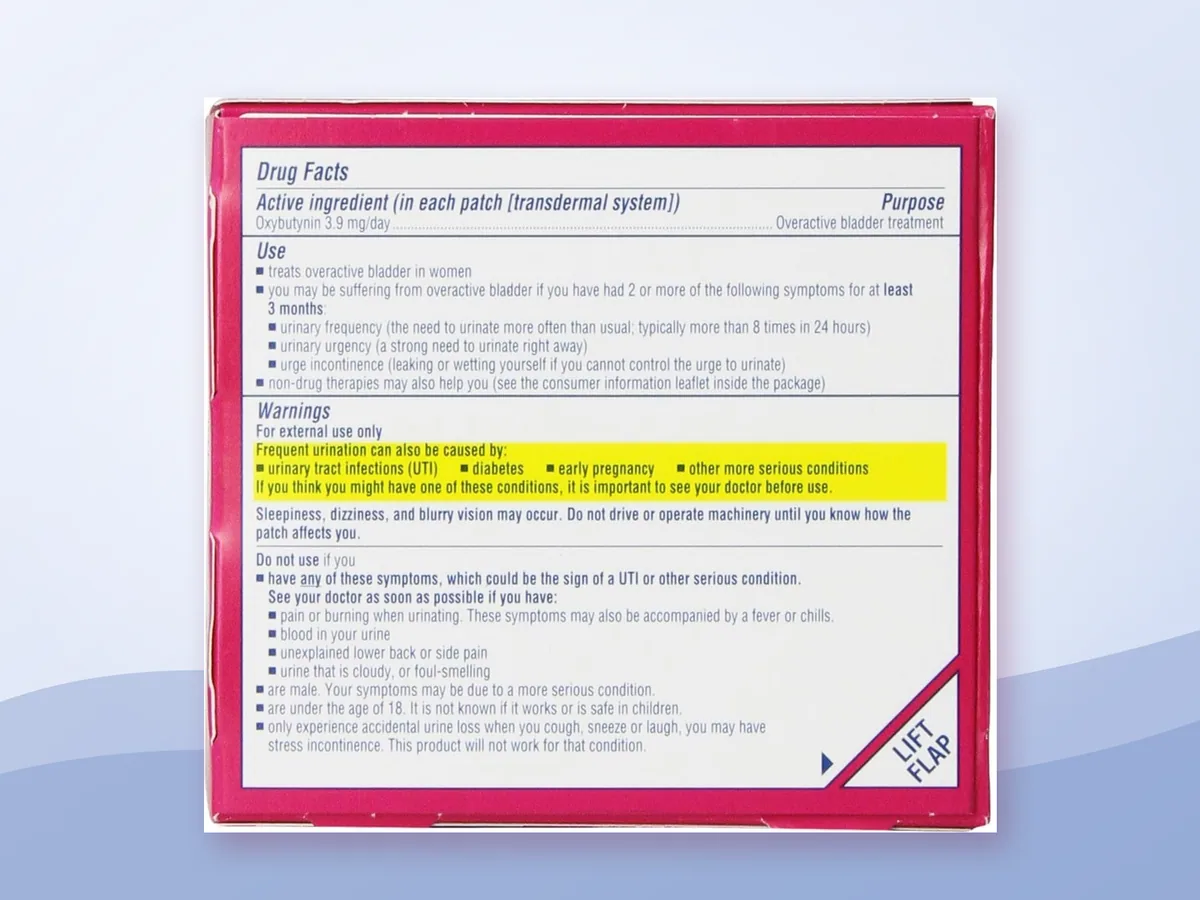
The label
The Oxytrol for Women Drug Facts Label, Line by Line: Who It Is For, Warnings, How to Wear the Patch
Active ingredient, the three symptoms, every warning and the 4-day routine, one line at a time.
Boxes and prices
Two boxes, a handful of packs, and prices that do not follow the size. A little arithmetic settles which one to order.
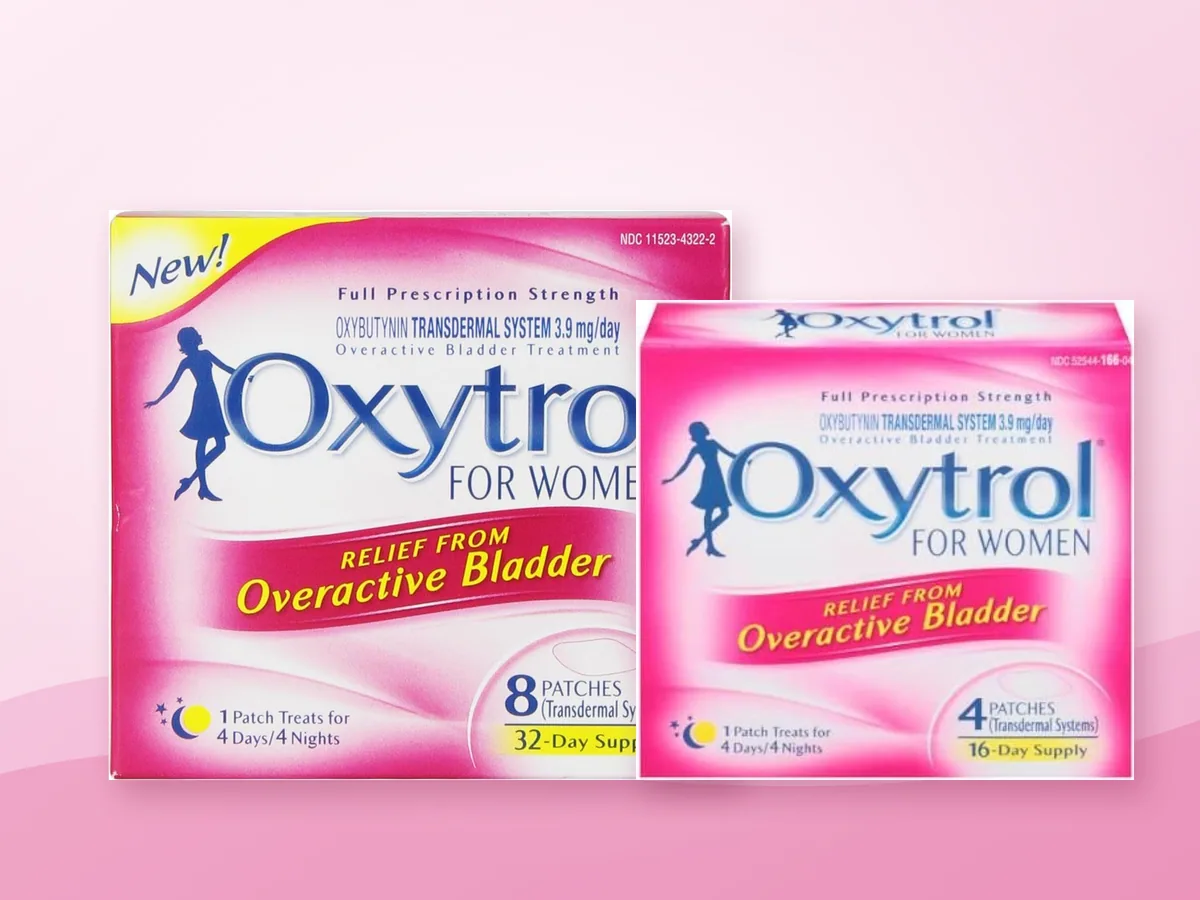
Oxytrol for Women comes in two boxes. One holds 4 patches and the other holds 8. That sounds simple until you start to shop, because the boxes are sold in packs of one, two, three or six boxes, and the price does not rise in step with the count.
You do not need a spreadsheet to sort it out. You need one fact from the label and one division. Here are both, with the sum done for every pack on sale.
The patch inside is identical. Both boxes carry the same Drug Facts panel, the same active ingredient, Oxybutynin 3.9 mg/day, and the same directions. What changes is the count printed in the corner of the front panel.
| Box | Patches | Supply printed on the box | Sealed pouches |
|---|---|---|---|
| 4-Patch Box | 4 | 16-Day Supply | 4 |
| 8-Patch Box | 8 | 32-Day Supply | 8 |
The supply figure is not a marketing number. It follows from the directions, which say to wear only 1 patch at a time for 4 days in a row. Four patches times 4 days is 16. Eight patches times 4 is 32.
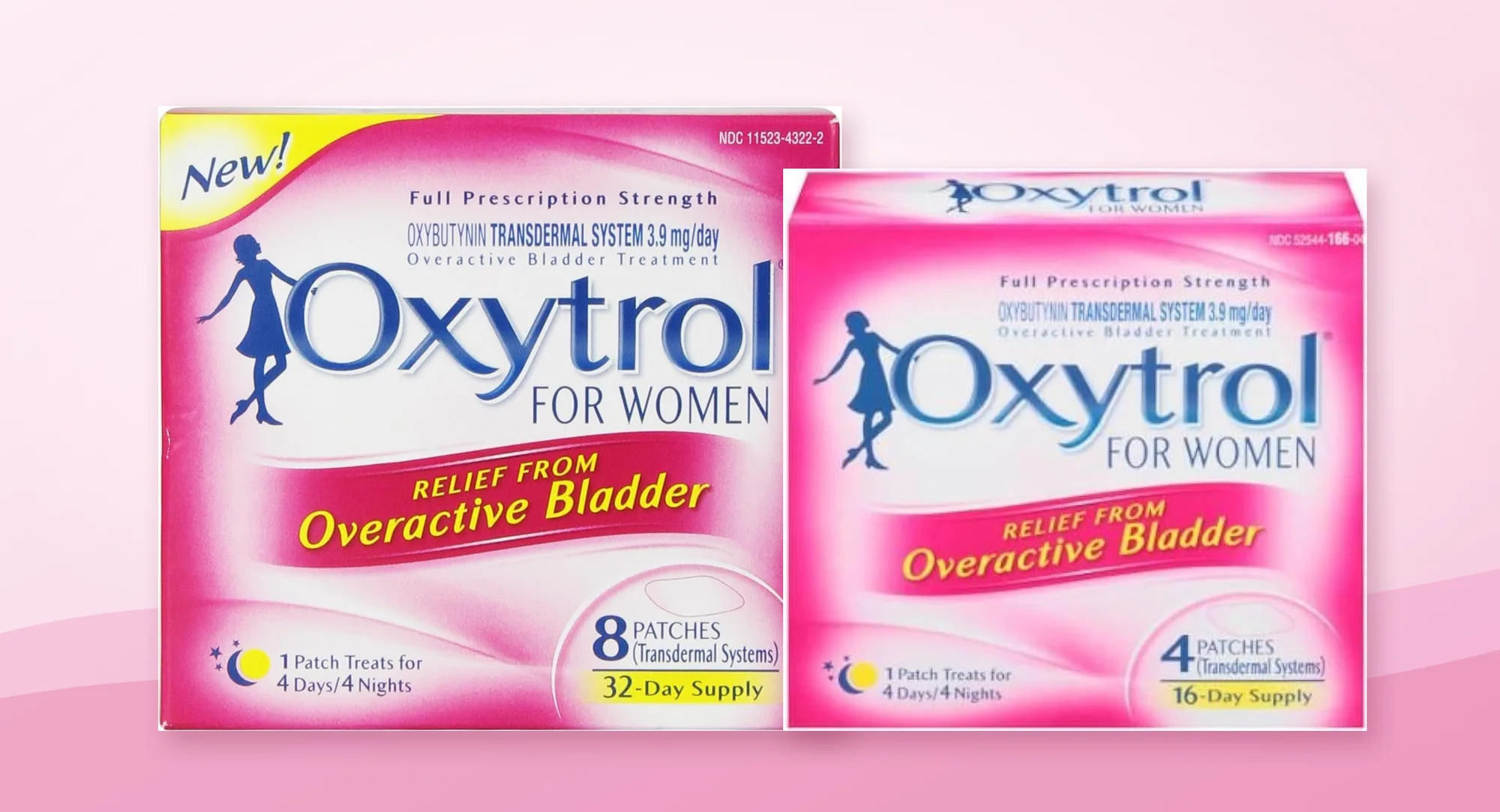
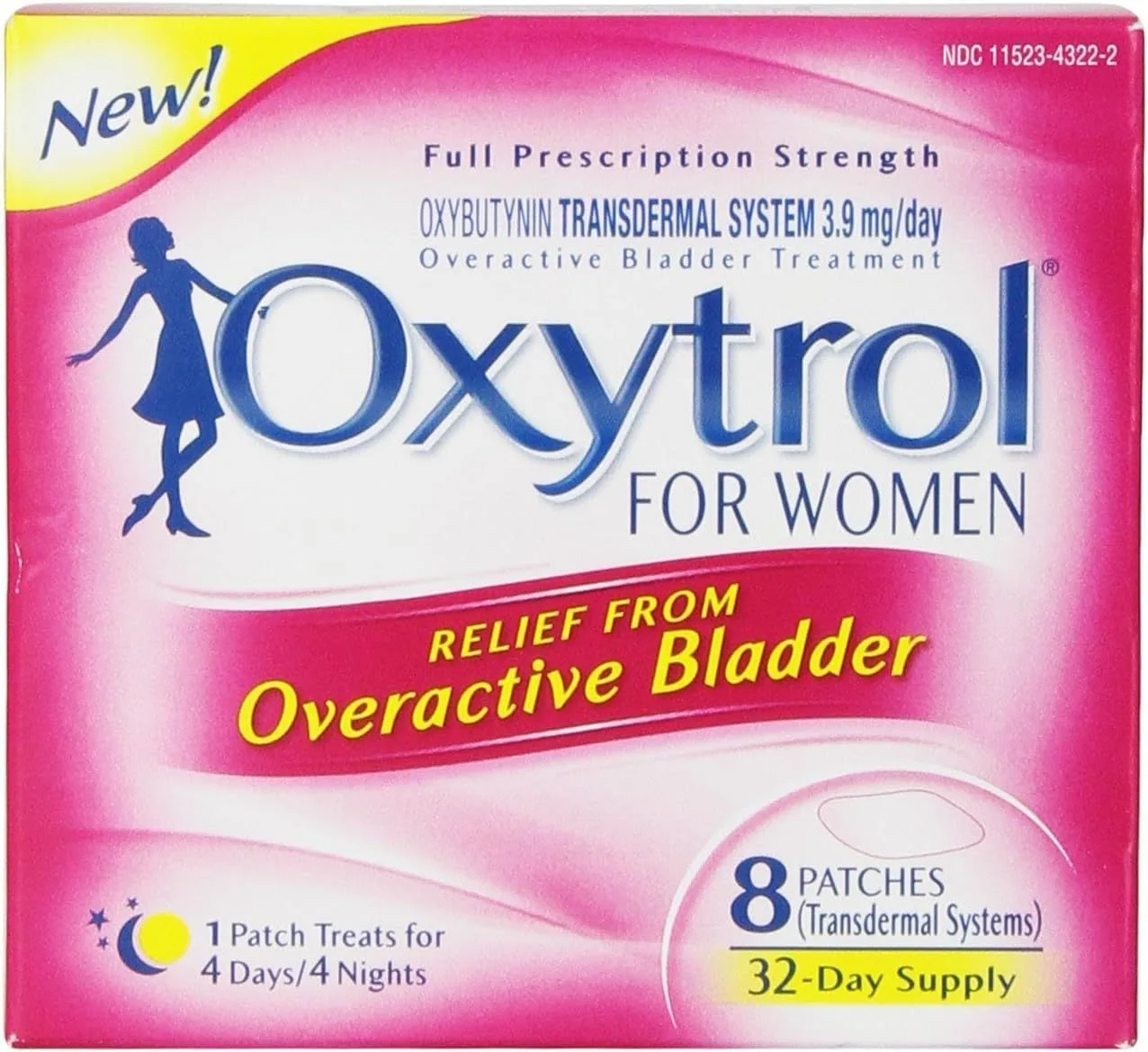
Both boxes are bright pink, with the blue Oxytrol for Women name and a ribbon across the middle. If you are checking a delivery, look at the lower right corner. That is where "4 Patches" or "8 Patches" is printed, with the day supply under it.
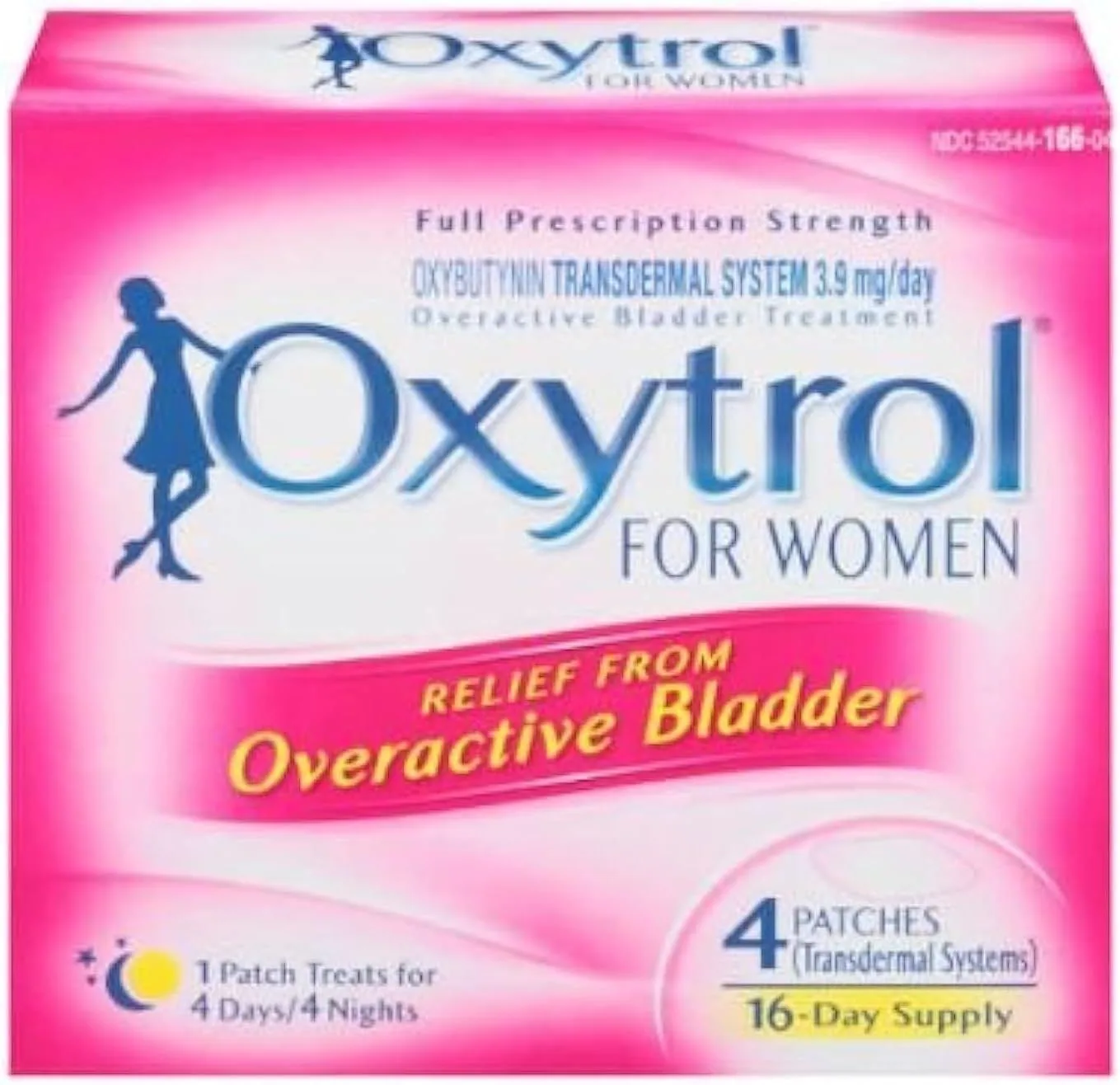
A pack price tells you little on its own. Fifty dollars is a lot for 4 patches and a fair deal for 16. The fair way to compare is the price of one day of wear.
The sum has two steps. Divide the pack price by the number of patches to get the price of a patch. Then divide by 4, because the label has you wear each patch for 4 days.
Count the patches: boxes in the pack times patches in a box.
Divide the price by the patches. 4-patch box, 1 box costs $17.88 for 4 patches, so a patch costs $4.47.
Divide by 4. A day of wear from that pack costs $1.12.
Do the same for every pack and the picture clears. Here is each pack on sale, with the sum done.
| Pack | Patches | Days of wear | Price | Per patch | Per day |
|---|---|---|---|---|---|
| 4-Patch Box, 1 box | 4 | 16 | $17.88 | $4.47 | $1.12 |
| 4-Patch Box, 2 boxes | 8 | 32 | $44.00 | $5.50 | $1.38 |
| 8-Patch Box, 2 boxes | 16 | 64 | $54.70 | $3.42 | $0.85 |
| 8-Patch Box, 3 boxes | 24 | 96 | $76.90 | $3.20 | $0.80 |
| 8-Patch Box, 6 boxes | 48 | 192 | $156.00 | $3.25 | $0.81 |
The lowest price of a day is $0.80, from the 8-patch box, 3 boxes. The highest is $1.38, from the 4-patch box, 2 boxes. Over a year of steady use that gap adds up: about $292.38 against $501.88.
Notice what the table does not show: a neat slope where bigger always means cheaper. Each pack is priced on its own, and the order can change from one price update to the next. Check the per-day column, not the pack size.
Once you know the rhythm, planning is easy. One patch every 4 days means you use between seven and eight patches in a month.
| Stretch | Patches needed | Boxes of 8 | Boxes of 4 |
|---|---|---|---|
| 30 days | 8 | 1 | 2 |
| 90 days | 23 | 3 | 6 |
| 180 days | 45 | 6 | 12 |
| 365 days | 92 | 12 | 23 |
A 32-day box is close to a calendar month. It drifts a little, because months run 28 to 31 days and the box runs 32. Over a year you need 92 patches, which is 11 boxes of 8 and one box of 4.
The packs of the 8-patch box map onto those stretches. 2 boxes, 16 patches last 64 days. 3 boxes, 24 patches last 96 days. 6 boxes, 48 patches last 192 days.
One caution before you stock up. The label says to stop use and ask a doctor if your condition does not improve after 2 weeks. A large pack only makes sense once you know the patch works for you and your skin tolerates it.
If you have never worn the patch, three things are unknown. You do not know whether your symptoms will ease. You do not know how your skin will take the adhesive. And you do not know whether a patch on your hip for four days will bother you.
The label gives you a deadline for the first question. Two weeks is 14 days. One box of 4 patches lasts 16. So the small box answers all three questions with two days to spare.
Today one 4-Patch Box costs $17.88, which is $1.12 a day. That is $0.32 a day more than the cheapest pack. Think of the difference as the price of finding out.
Skin reactions come up again and again in buyer reviews, and they can end a box early.
The one draw back with this product is that the adherent on the patch caused severe contact dermatitis for me
The same buyer had praised the patch a sentence earlier. Both things can be true for one person, and you cannot know in advance which way it will go for you. The label lists itching, rash and redness as things that may happen, and tells you to stop if they are severe.
What about two small boxes in one pack? 2 boxes, 8 patches cost $44.00, or $1.38 a day. Two single boxes bought one after the other cost $35.76. Right now the pair costs more than two singles, so there is no reason to commit to it.
Say the first box went well. Your symptoms eased, your skin is fine, and you plan to keep going. Now the per-day column is the one to read.
The 8-Patch Box is the natural next step. Its best pack today is 3 boxes, 24 patches for $76.90, which works out to $0.80 a day. The packs of this box range from $0.80 to $0.85 a day.
Three practical points help you choose between packs of the same box.
A buyer who has used the patch for years sums up the long view.
I've been using these patches for travel for a number of years and they do work. One patch placed on the lower abdomen lasts four days.
That is one person's experience, from a buyer who wears the patch for trips, not every week. It does show that not every buyer needs a year's supply. Buy for the way you will use it.

Each pack has its own set of buyer ratings, because each is a separate product page with its own buyers. The patch is the same in all of them. The ratings differ mainly in how many people have left one.
| Pack | Average out of 5 | Ratings | 5 stars | 1 star |
|---|---|---|---|---|
| 8-patch box, 2 boxes | 4.0 | 693 | 59% | 13% |
| 4-patch box, 1 box | 4.0 | 465 | 57% | 10% |
| 8-patch box, 3 boxes | 4.1 | 191 | 64% | 9% |
| 4-patch box, 2 boxes | 4.1 | 88 | 60% | 10% |
| 8-patch box, 6 boxes | 4.2 | 10 | 67% | 0% |
The averages sit close together, around four stars. Behind that average is a split. Most buyers rate the patch high, and a visible minority rates it low.
The low ratings cluster around three complaints: skin irritation, patches that lift before day four, and no change in symptoms. The high ones describe fewer trips to the bathroom and better sleep. You can read both kinds on our reviews page.
They helped stop my need to go to the bathroom every 2 hours. Now I only need to go 3-6, usually 4 hours. My urologist was so happy they work. They really stay on in the shower.
I didnt find this very useful. If anything i think it was the placebo effect that made me go less
A rating is not a test result. It tells you how one buyer felt about one purchase. Use the ratings to set your expectations, and use the label to decide whether to try.
A minute with the package on arrival saves a return later. Start with the outside. The box should be sealed, and the count in the lower right corner should match what you ordered.
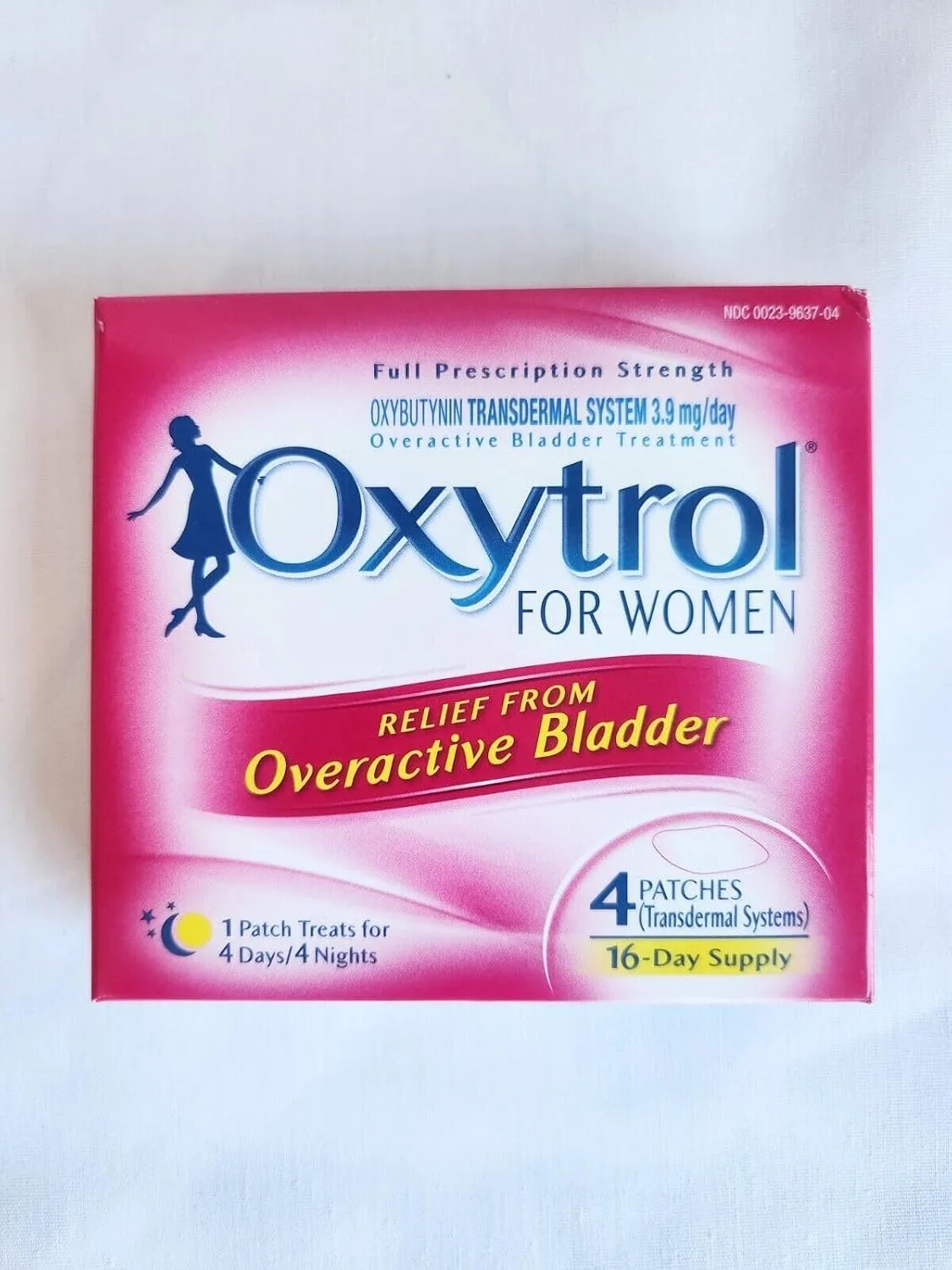
Then find the expiration date. The FDA describes it as the date after which you should not use the product. With a pack of several boxes, look at each box, because they may not share a lot.
Open the box and count the pouches. There should be 4 or 8, each sealed. The label says not to use a patch if its pouch is torn or opened, so a damaged pouch is a reason to contact the shop you bought from.
You will also find a consumer information leaflet. The Drug Facts panel points to it for non-drug therapies that may help alongside the patch. Keep it with the box.
| Check | What to look for | Why it matters |
|---|---|---|
| Seal | An unopened box | The patches are a medicine and should reach you untouched |
| Count | "4 Patches" or "8 Patches" in the corner, times the boxes you ordered | Packs of the two boxes are easy to mix up |
| Date | The expiration date on each box | A large pack has to last for months |
| Pouches | Every pouch sealed and flat | The label rules out a torn or opened pouch |
The storage lines on the label are short: between 68° and 77°F, protected from moisture and humidity, and never outside the sealed pouch. For one box that is easy. For 6 boxes it takes a little thought.
Pick one dry place at room temperature and keep the whole pack there. A wardrobe shelf or a bedroom drawer works. A bathroom cabinet does not, because of the steam. A car does not either, because of the heat.
Use the boxes in the order of their dates, oldest first. Leave each patch in its pouch until the minute you apply it. The label says to open 1 pouch and apply the patch immediately.
Some buyers mention travel as the reason they buy the patch. The arithmetic for a trip is the same as for a month at home, with one extra patch for luck.
I use these when traveling internationally where public toilets are hard to find. I am 67 and have a bit of urgency that this controls.
| Trip length | Patches worn | Pack with a spare |
|---|---|---|
| A long weekend, 4 days | 1 | 2 |
| One week | 2 | 3 |
| Two weeks | 4 | 5 |
| One month | 8 | 9 |
The spare covers the case the label describes: a patch that falls off and cannot be pressed back. Carry the pouches flat, away from heat, and keep them out of direct sun in a parked car or on a beach.
A 4-patch box is a tidy fit for a two-week trip: 4 patches cover 16 days. For anything longer, take pouches from an 8-patch box and leave the cardboard at home, as long as each pouch stays sealed.
Most ordering mistakes with this product come down to counting. The names of the packs look alike, and a quick glance can cost you a month of patches or leave you with twice what you wanted.
| What you read | What it means | Patches |
|---|---|---|
| 4 count | One box of 4 patches | 4 |
| 4 count, pack of 2 | Two boxes of 4 patches | 8 |
| 8 count | One box of 8 patches | 8 |
| 8 count, pack of 2 | Two boxes of 8 patches | 16 |
| 8 count, pack of 3 | Three boxes of 8 patches | 24 |
The first mix-up is reading "pack of 2" as two patches. It is two boxes. The second is assuming that two boxes of 4 and one box of 8 cost the same because they hold the same 8 patches. They are priced apart, and today the gap is wide.
The third is treating patches like pills and counting days one for one. A box of 8 patches does not last 8 days. It lasts 32, because each patch stays on for 4 days. If you divide the price by 8 and stop there, the patch looks four times dearer than it is.
Before you pay, say the order out loud in patches and in days. Sixteen patches, sixty-four days: that is hard to get wrong.
Each buy button opens that exact pack at our retail partner, where you check out in the usual way. The order, the delivery and any return are handled there.
Three checks at checkout save trouble later.
You do not need a prescription. FDA records show the patch was approved for over-the-counter sale on January 25, 2013. The label limits it to women 18 and older, and the rest of the panel decides whether it is right for you. We go through it in the label, line by line.
Price per day means nothing if the patch is not meant for your symptoms. The label is firm on one case in particular. If you only leak when you cough, sneeze or laugh, you may have stress incontinence, and this product will not work for that condition.
| The label says do not use if you | In short |
|---|---|
| are male. Your symptoms may be due to a more serious condition. | Women only |
| are under the age of 18. It is not known if it works or is safe in children. | Adults only |
| only experience accidental urine loss when you cough, sneeze or laugh, you may have stress incontinence. This product will not work for that condition. | Not for stress incontinence |
| have been told by a doctor you have urinary retention (are not able to empty your bladder) | Not with urinary retention |
| have been told by a doctor you have gastric retention (your stomach empties slowly after a meal) | Not with gastric retention |
| have glaucoma | Not with glaucoma |
| are allergic to oxybutynin | Not with this allergy |
It also names people who should not use the patch at all: men, anyone under 18, and women who have been told they have urinary retention, gastric retention or glaucoma, or who are allergic to oxybutynin. A longer list tells you when to ask a doctor first.
If you are not sure which kind of bladder trouble you have, start with our guide to the options. It sets the patch beside pads, bladder training and prescription medicines, in the words of U.S. health agencies.
A price table cannot tell you whether to use a medicine. Read the Drug Facts label on the box, and ask a doctor or pharmacist about your own case.
| Your plan | Pack to look at | Why |
|---|---|---|
| Trying the patch for the first time | 4-Patch Box, 1 box | 16 days of wear covers the 2-week mark on the label |
| Steady use, lowest price of a day | 8-Patch Box, 3 boxes | $0.80 a day, the lowest today |
| Fewest orders | 8-Patch Box, 6 boxes | 48 patches last 192 days |
Prices change, so the right pack next month may not be the right pack today. The method stays the same: count the patches, divide the price, divide by 4, and compare the days.
Nothing here is medical advice. The article repeats a product label and public health sources. Read the Drug Facts label on your own box, and ask a doctor or pharmacist about your own case.
Sources read for this guide
The label
Active ingredient, the three symptoms, every warning and the 4-day routine, one line at a time.
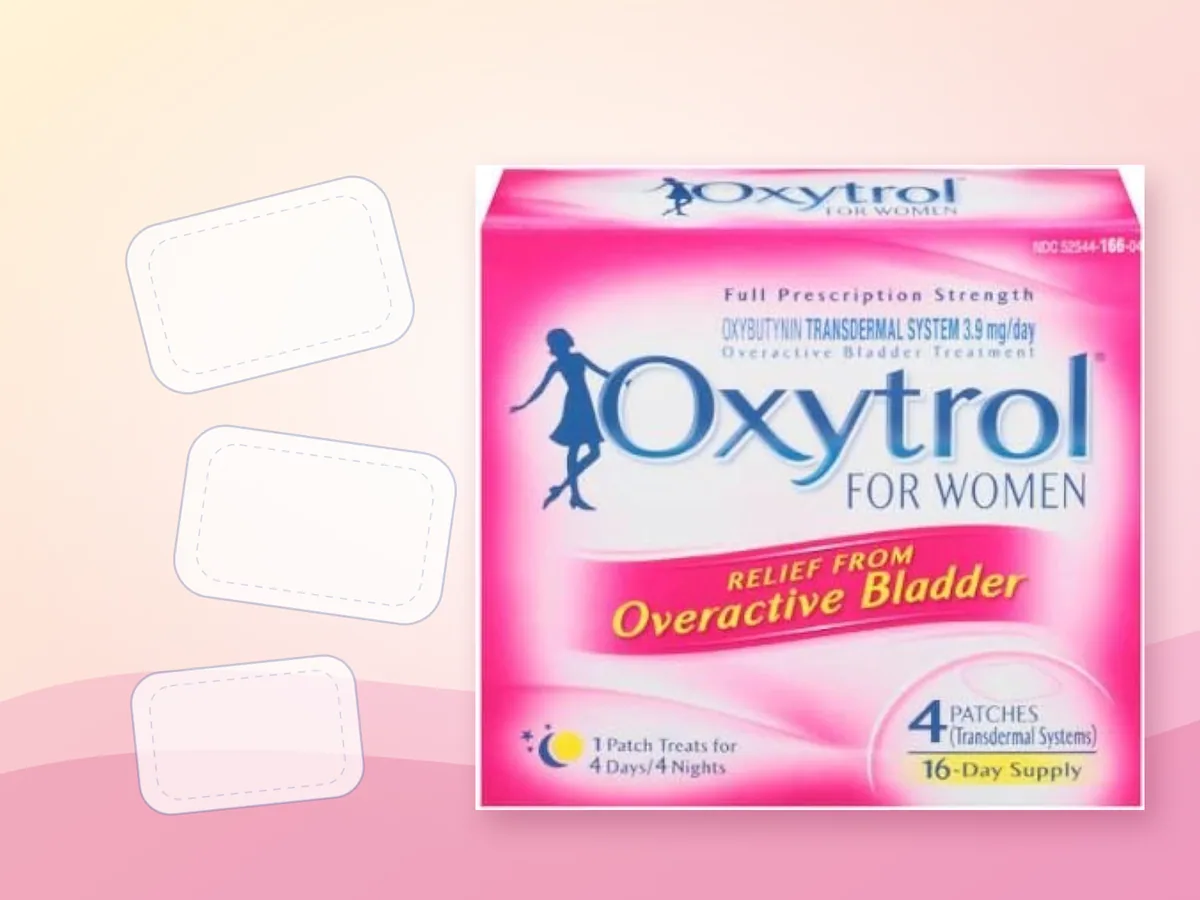
Options compared
Pads, bladder training, pelvic floor exercises and prescriptions, set beside the patch with sources.